Yoga – Science or Ancient Belief?
By Master Manisekaran · · 3 min read

Yoga is cultural, moral, philosophical and experiential. It is rooted in an ancient understanding of instinctual, intuitive and inner wisdom. What some may call the “sixth sense” may, from another perspective, simply be a dimension of human awareness that we have not yet fully understood. Because such experiences were not subjected to scientific scrutiny in ancient times, does that automatically make them superstition?
And does science give us all the answers?
Science continues to evolve. What was once considered impossible, mysterious or unexplainable can eventually become observable, measurable and understood. Perhaps some of the knowledge explored through yoga existed long before science had developed the instruments, methodologies or frameworks to investigate it.
Ancient men and women practised yoga as a discipline for exploring the remarkable, and perhaps almost infinite, capacities of the human body, mind and consciousness. Through disciplined practice, meditation and deep states of awareness, yogic traditions describe experiences of heightened or superconscious states.
Can every aspect of such experience be studied with today’s scientific tools?
Science has achieved extraordinary things, but much of scientific inquiry is directed towards what can be observed, measured, tested and reproduced. Human consciousness itself, however, remains one of the greatest frontiers of knowledge.
Why not, therefore, consider the possibility that there are dimensions of human experience that we have not yet discovered?
Perhaps the limitation is not in the experience, but in our present ability to understand it. And even when science appears to reach the edge of one mystery, another door opens — revealing yet another dimension of possibility.
This does not mean that we should accept every ancient belief without question.
Superstition, in its gross form, has caused enormous harm throughout history. It has encouraged irrational fear, discrimination, inequality and unethical practices, and has been used to subjugate people — particularly women and communities who were considered inferior because of their race, culture or social status.
We should reject superstition when it promotes fear, harm, discrimination or blind obedience.
At the same time, we should approach cultural beliefs with sensitivity and intelligence. Some traditions may carry historical wisdom; others may simply be harmless practices, symbols or community customs. The responsibility is to understand them, examine them and distinguish between what is harmful, what is meaningful and what is simply part of human culture.
Yoga invites us to do something different from both blind belief and immediate rejection.
It invites us to explore.

Rather than asking us to believe everything, yoga asks us to practise, observe and experience. The ancient yogis did not merely speculate about the human potential; they developed disciplines through which they attempted to explore it directly.
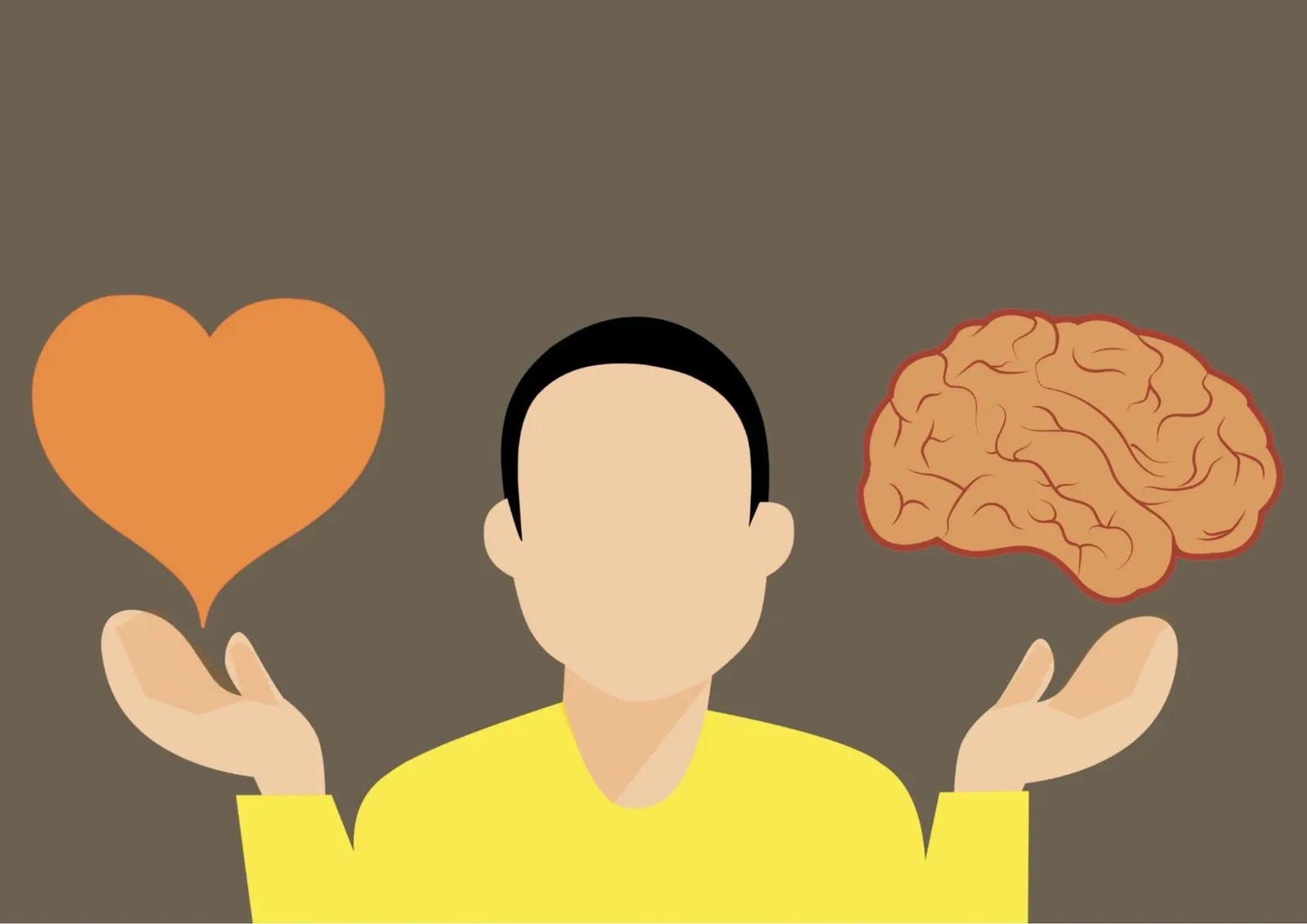
Perhaps the real meeting point between yoga and science is not belief versus disbelief, but experience followed by inquiry.
Yoga may therefore be viewed not as superstition opposed to science, but as an ancient exploration of human potential that modern science is only beginning to investigate from different directions.
Yoga is science at its highest exploration of human potential.
Let us therefore begin the journey — from speculation to experience, from experience to understanding, and from understanding to wisdom.
Author
Master Mani Sekaran is President of the Malaysian Association of Yoga Instructors and the Malaysian Yoga Society. He teaches yoga, pranayama, and philosophy, and writes on the relevance of classical wisdom traditions for modern life.